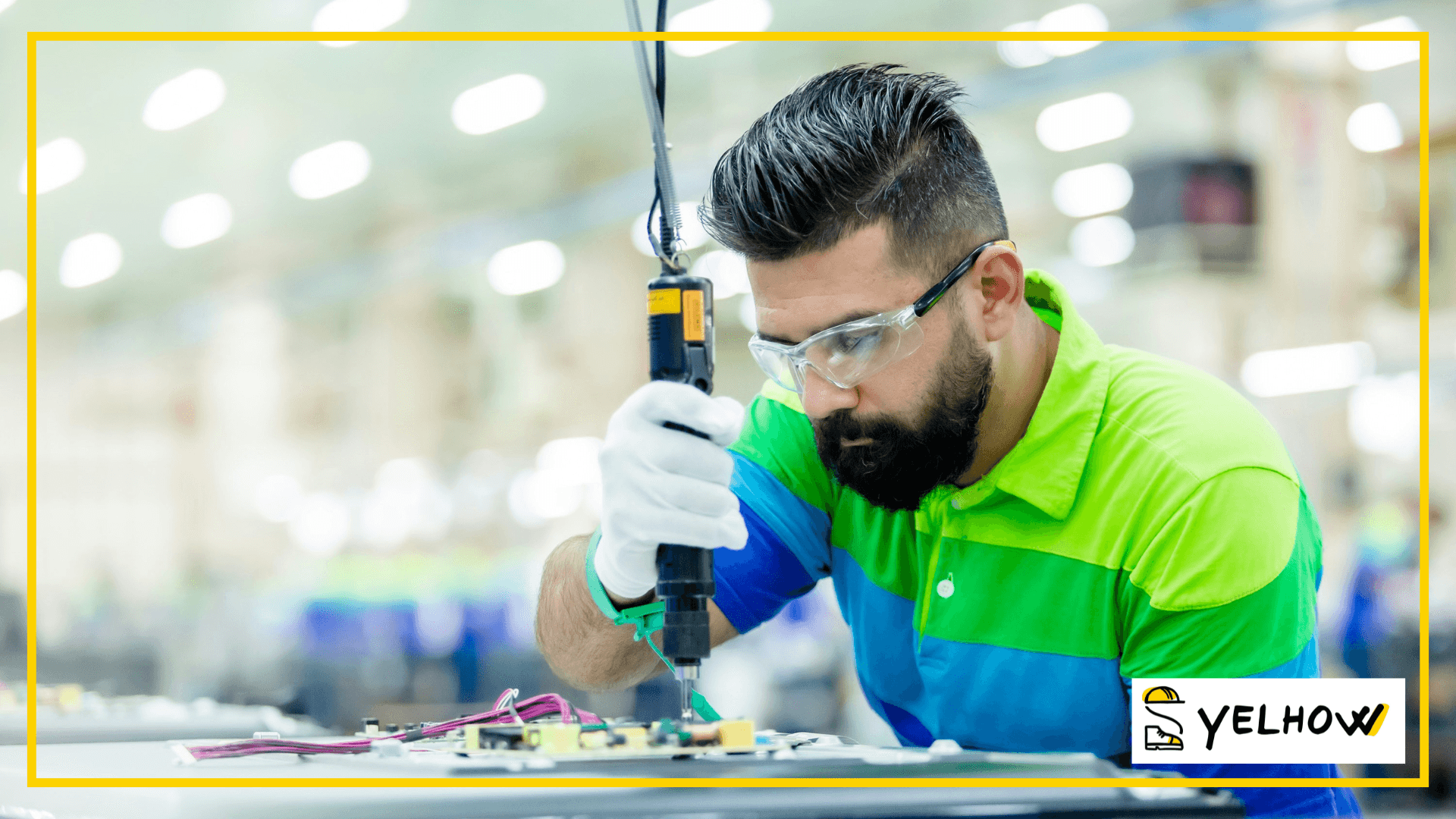
Skill Gaps in Manufacturing: A Guide for HR
Learn how HR can identify manufacturing skill gaps, verify workforce readiness, prioritize training, and improve compliant staffing and workforce planning.

Learn how HR can identify manufacturing skill gaps, verify workforce readiness, prioritize training, and improve compliant staffing and workforce planning.
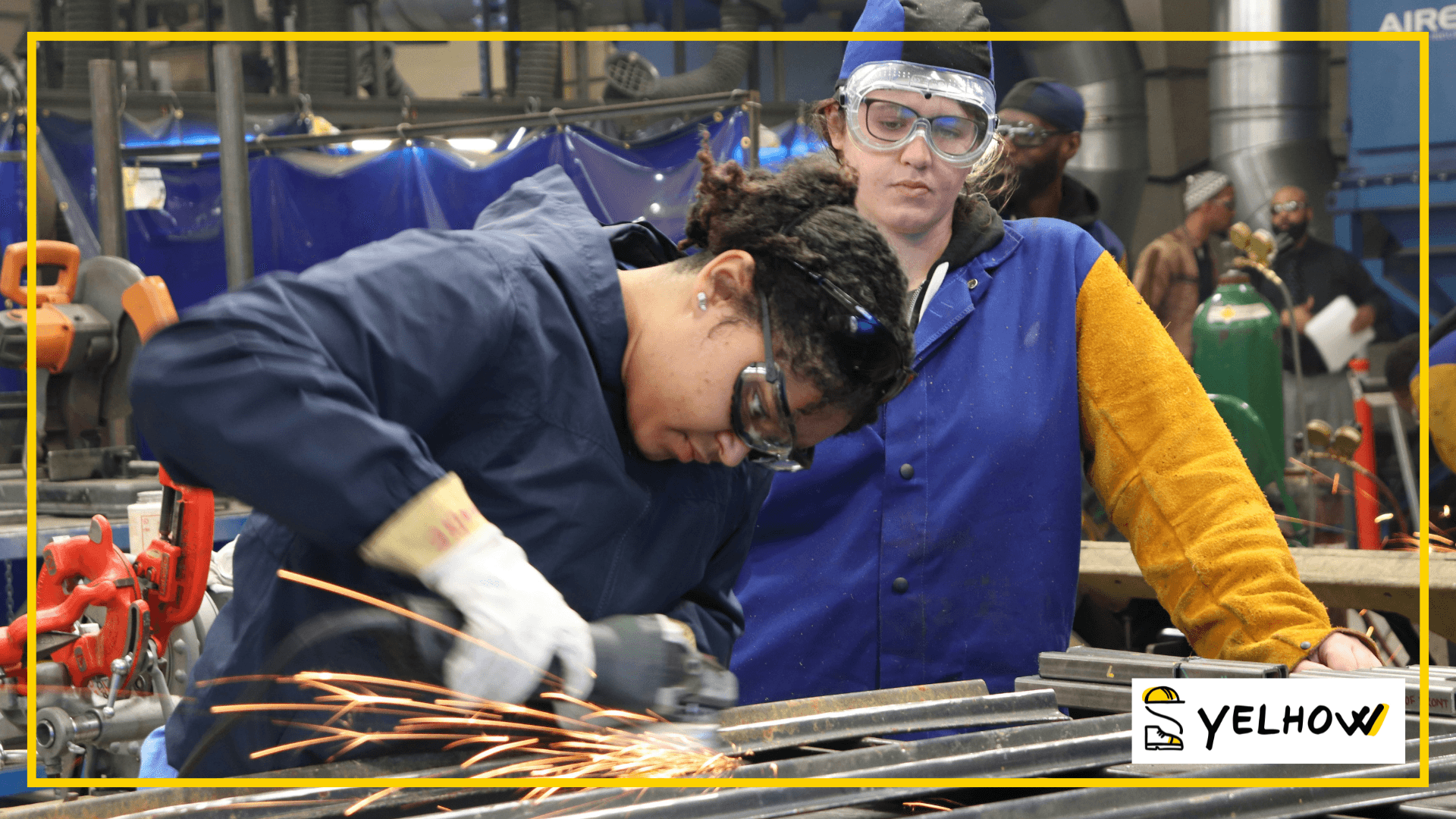
Learn how to build a manufacturing onboarding process that connects safety, role-specific training, OJT, qualification sign-offs, and reliable training records.

This guide explains what Industry 5.0 means, how it differs from Industry 4.0, and how it shows up in day-to-day production decisions.

What can automotive quality teams learn from the Ford F-150 recall? Explore lessons in traceability, inspection evidence, operator qualification, and recall readiness.

Under volatile, uncertain, complex, and ambiguous (VUCA) conditions, the gap between a controlled adjustment and a cascading miss comes down to the workflow used.
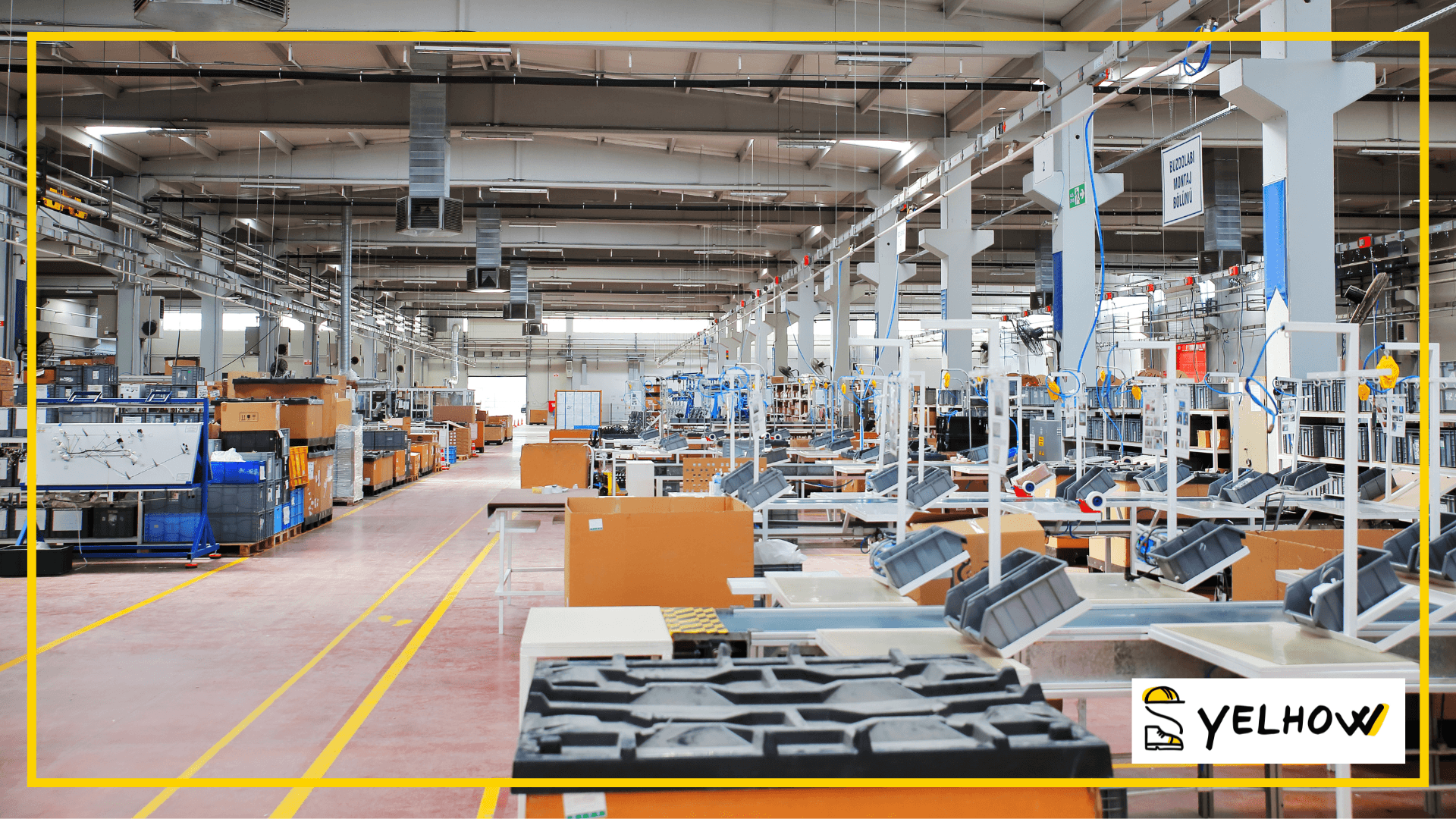
Unplanned downtime costs more than lost minutes. It disrupts staffing, schedules, quality, and compliance. Learn how to model its true impact and improve recovery.

On paper, skill-based workforce models promise clarity: the right people, with the right skills, deployed compliantly and efficiently. In practice, HR teams discover gaps between what the system says and what the shop floor can actually sustain.

Excel can work when staffing is simple, stable, and low-risk. But factory staffing is rarely any of those things.

During an ISO 9001 audit, a skills matrix is rarely challenged for its existence, it’s challenged for its proof.

Discover the true cost of non-quality in manufacturing, from scrap and rework to lost capacity, and learn how to identify and prioritize its biggest financial drivers.