
Manufacturing is undergoing a major transformation, driven by cutting-edge technologies that are redefining how products are designed, produced, and delivered. From smart manufacturing to advanced robotics, these innovations are paving the way for a new era of efficiency, agility, and sustainability.
In this article, we present the five technologies that are revolutionizing the industrial landscape and show how they are shaping the future of Industry 4.0 and Industry 5.0.
Industrial IoT: Connecting the Production Shop Floor
The Industrial Internet of Things, also known as Industrial IoT or IIoT, is at the forefront of the smart manufacturing revolution. By equipping sensors, equipment, and machines with connectivity capabilities, Industrial IoT enables real-time data collection and analysis across the entire production process.
This interconnected network allows manufacturers to monitor equipment performance, track production indicators, and make data-driven decisions to improve efficiency and reduce unplanned downtime.
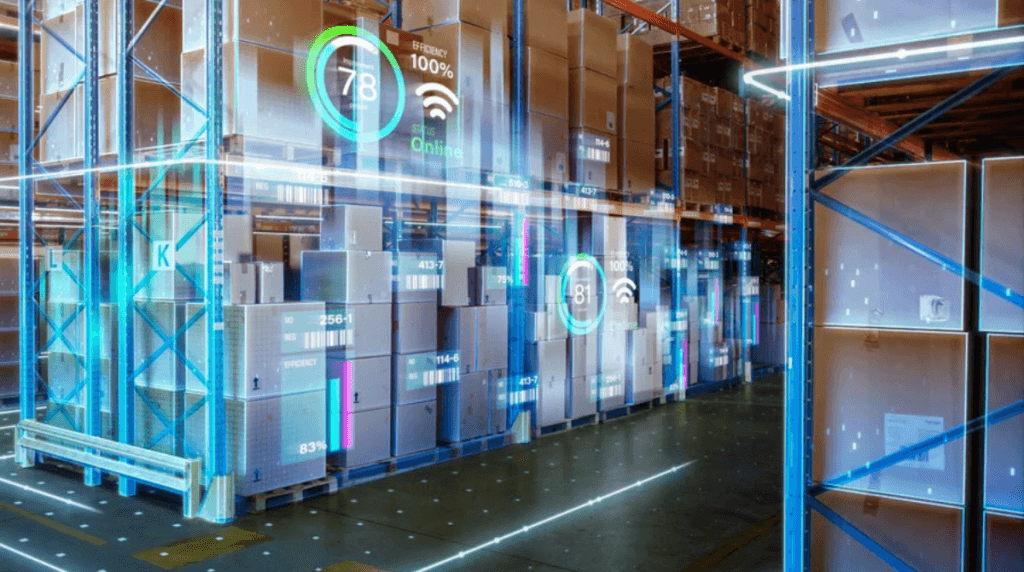
For example, with IIoT-enabled machines, plant managers can receive real-time alerts when equipment is at risk of failure. This enables predictive maintenance, helping prevent costly downtime. This capability transforms the traditional reactive maintenance model into a proactive approach, where issues are addressed before they escalate, saving both time and resources.
In addition, Industrial IoT facilitates seamless communication between machines and human operators, improving coordination and boosting productivity.
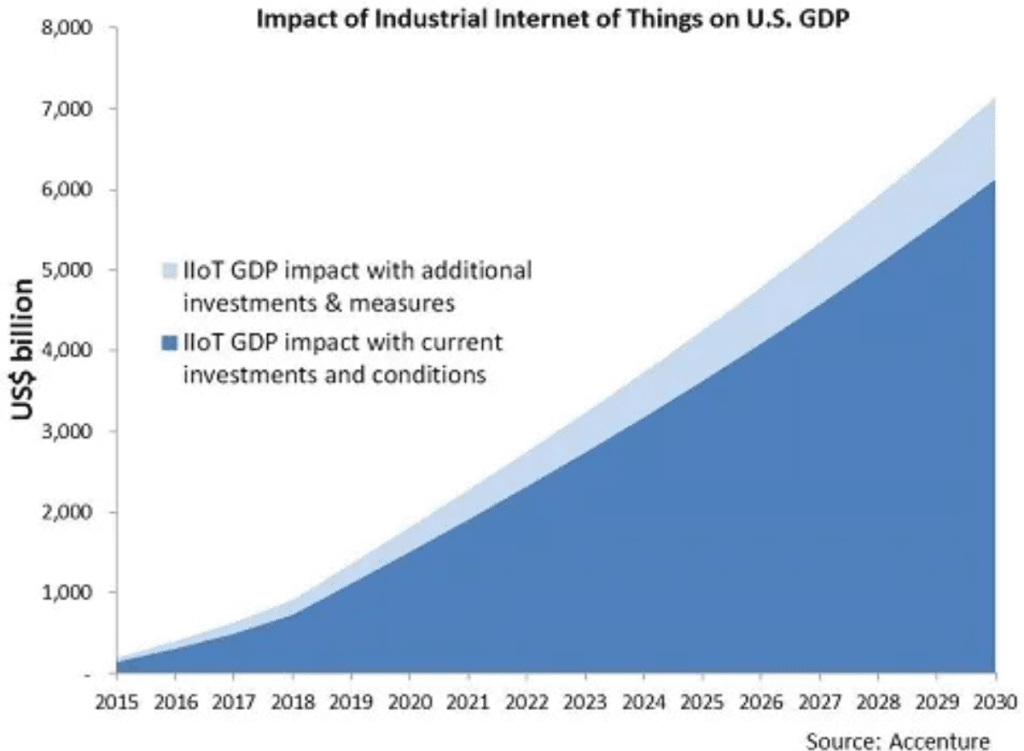
The impact of IIoT extends beyond individual factories. It creates a connected ecosystem where data flows freely between different stages of production, supply chain partners, and even end-users. This level of connectivity enhances transparency and enables more accurate forecasting and demand planning. According to a study by Accenture, IIoT could add $14.2 trillion to the global economy by 2030 by increasing productivity and reducing costs in manufacturing and other industries. This potential makes IIoT not just a technological trend but a cornerstone of future industrial success.
Additive Manufacturing: Revolutionizing Production Through 3D Printing
Additive manufacturing, commonly known as 3D printing, is one of the most significant technological advances in modern industry. Unlike subtractive manufacturing, which removes material to create a part, additive manufacturing builds objects layer by layer from digital models. This process offers unmatched flexibility and customization, making it possible to produce complex geometries that would be impossible to achieve using traditional methods.
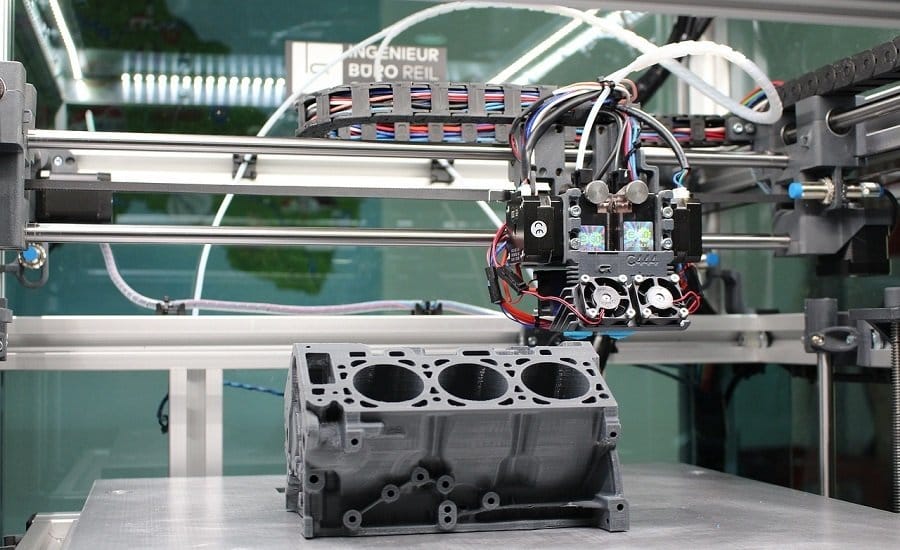
Additive manufacturing offers benefits that go far beyond customization. It significantly reduces waste, lowers material costs, and shortens production lead times. Traditional processes often remove large amounts of material, generating substantial scrap and waste. By contrast, 3D printing uses only the exact amount of material needed to produce the part, making it a more sustainable option. In addition, the ability to produce parts on demand reduces the need for large inventories, resulting in cost savings and more optimized use of resources.
Industries such as aerospace, automotive, and healthcare are already leveraging the potential of 3D printing. For example, General Electric (GE) has adopted additive manufacturing to produce aircraft engine components, delivering substantial cost savings and improved performance. The company has managed to reduce the weight of certain parts by up to 30%, resulting in more fuel-efficient engines and lower operating costs. As the technology continues to advance, additive manufacturing is expected to play an even more central role across many sectors, enabling manufacturers to innovate faster and more sustainably.
Advanced Robotics: Improving Precision and Efficiency
Advanced robotics is revolutionizing factory automation by bringing unprecedented precision, speed, and efficiency to manufacturing processes. Equipped with sophisticated sensors, artificial intelligence (AI), and machine learning (ML) capabilities, these robots perform complex tasks with a high level of reliability. From assembly lines to quality control, advanced robotics enables faster production with fewer errors.
One of its major strengths is human-robot collaboration: the goal is not to replace operators, but to enhance their capabilities. Collaborative robots, or cobots, are designed to support humans in tasks that combine strength, precision, and dexterity. They can be programmed to handle repetitive or dangerous operations, freeing teams to focus on more complex and creative activities. This synergy between robots and humans drives new levels of productivity and helps manufacturers meet the demands of an increasingly competitive global market.
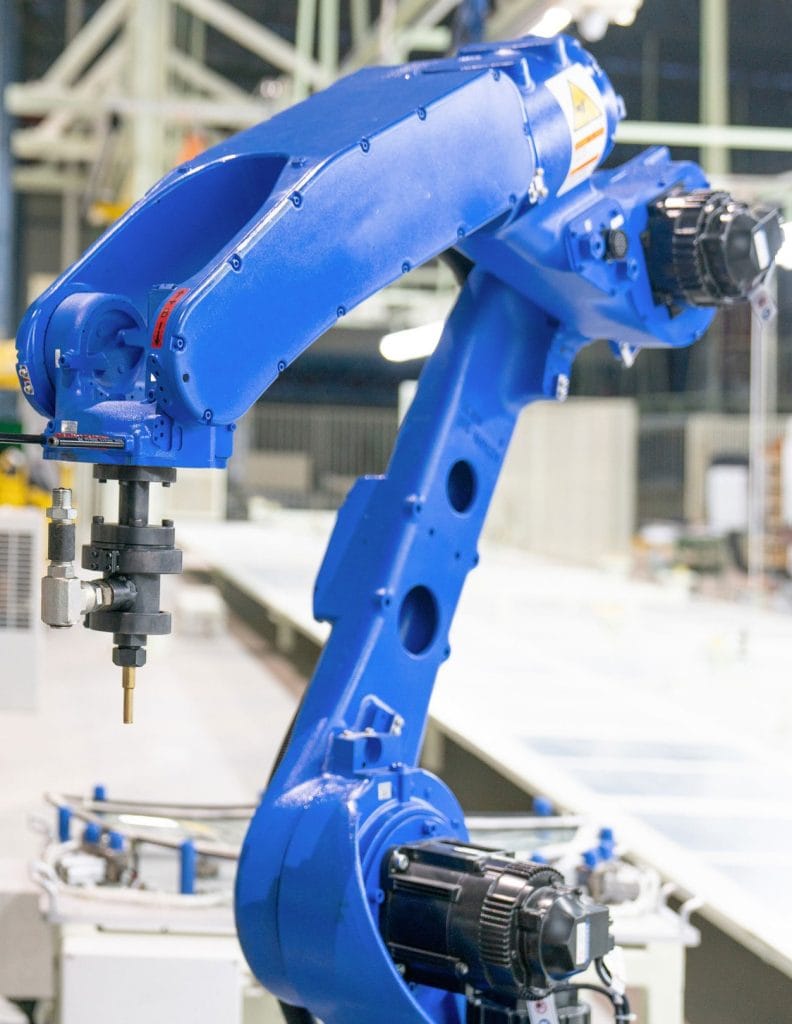
In addition, advanced robotics plays a key role in improving workplace safety. By automating hazardous tasks, robots reduce the risk of injury for operators, resulting in a safer and more efficient work environment. For example, in the automotive industry, robots handle heavy components and perform high-precision welding operations, tasks that are both difficult and risky for humans. The integration of robotics into manufacturing processes is not only transforming the way products are made; it is also improving the quality of working life for factory employees.
AI and Machine Learning: Powering Smart Manufacturing
Artificial intelligence and machine learning are catalysts for a deep transformation of industry, enabling unprecedented levels of efficiency, precision, and innovation. These technologies leverage vast amounts of data to optimize production processes, anticipate maintenance needs, and improve product quality, positioning manufacturers at the forefront of Industry 4.0.
The analytical capabilities of artificial intelligence allow manufacturers to move from reactive maintenance to predictive maintenance, reducing downtime and costs by addressing issues before failures occur. Deloitte estimates that AI-powered predictive maintenance could save manufacturers up to $400 billion per year. By analyzing historical and real-time data, manufacturers can improve operational efficiency and optimize resource allocation.
Artificial intelligence also accelerates product design and customization by analyzing customer preferences and market trends. According to a study by Boston Consulting Group (BCG), it can reduce design cycles by up to 30%, helping manufacturers create tailored solutions and streamline the design process for faster launches and better alignment with consumer expectations.
AI’s adaptability makes manufacturing processes more agile, allowing for swift responses to shifting market demands. It identifies bottlenecks, suggests process improvements, and even autonomously adapts production strategies, ensuring manufacturers remain competitive in a rapidly evolving landscape.
As AI and ML continue to evolve, their integration into manufacturing will unlock new dimensions of efficiency, innovation, and sustainability, establishing them as indispensable pillars of modern industry.
5. Workforce and Skill Management Software: Empowering the Human Element
As manufacturing becomes increasingly automated and technology-driven, the role of the human workforce remains critical. Workforce and skill management software plays a vital role in managing and developing the abilities of the modern manufacturing workforce, helping companies identify skill gaps, plan training initiatives, and build adaptable teams ready to meet the demands of Industry 4.0 and the emerging paradigm of Industry 5.0.
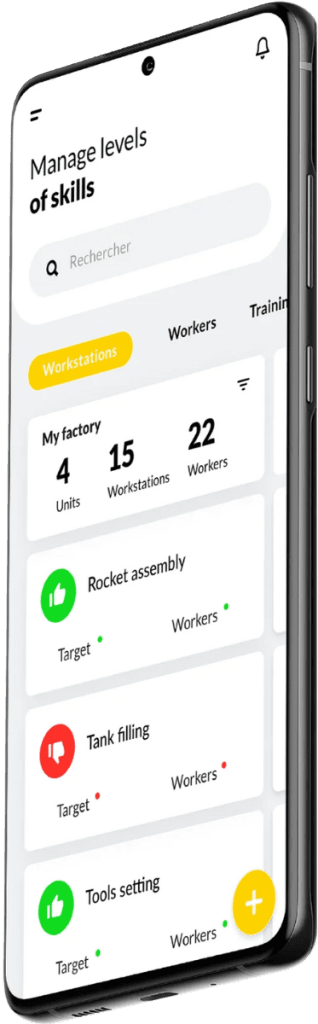
One notable example of such software is Yelhow’s Alex. Alex improves workforce efficiency while encouraging collaboration across departments, helping to break down silos within manufacturing organizations. By offering tools for skill, training, and team management, Alex makes sure employees have the knowledge and capabilities they need to succeed. It also maps and secures the essential know-how of organizations, protecting expertise and ensuring continuity.
Additionally, Alex’s data-driven insights help managers anticipate future skill requirements and address them in advance, enabling manufacturers to develop a flexible and capable workforce that supports innovation and sustains competitiveness. Whether it’s cross-training staff to handle multiple roles or preparing leadership for succession, Alex ensures the workforce keeps pace with demands.
The platform’s benefits extend beyond individual development, fostering communication and teamwork across the organization. Alex helps build a more unified and responsive workforce that can quickly adapt to market changes and technological progress. Acting as more than just a skills management tool, Alex drives a culture of continuous growth, seamlessly connecting the requirements of Industry 4.0 with the human-focused vision of Industry 5.0.
Embracing the Future of Manufacturing
The manufacturing industry is at the cusp of a technological revolution, with innovations like Industrial IoT, additive manufacturing, advanced robotics, AI, and workforce management software leading the charge. These technologies are not just enhancing efficiency and productivity; they are reshaping the very foundation of how manufacturing operates.
To stay competitive, manufacturers must embrace these cutting-edge technologies and integrate them into their operations. By doing so, they can unlock new levels of efficiency, agility, and innovation, positioning themselves for success in the ever-evolving landscape of Industry 4.0 and 5.0.
As the industry continues to evolve, the manufacturers that thrive will be those that are not only willing to adopt new technologies but also able to leverage them to create a more connected, collaborative, and skilled workforce. The integration of human talent with technological advancements will be the defining factor in the success of modern manufacturing, and tools like Yelhow’s Alex will play a crucial role in making this integration seamless and effective.
Check the video below to learn more about Alex: